 Fewer Cases Better Results





Ride Sharing Accidents – Uber and Lyft Claims in Portland Oregon
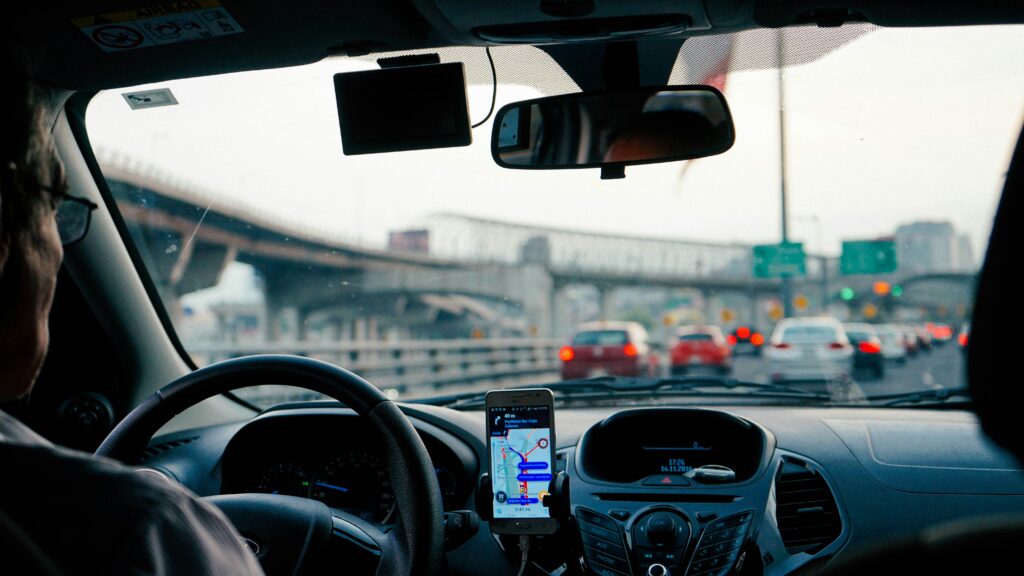
Ride-sharing services like Uber and Lyft have revolutionized transportation in Portland, providing unparalleled convenience for residents and visitors alike. However, the rise of these innovative platforms has introduced unique challenges—especially when accidents occur. Whether you’re a passenger, driver, or pedestrian, understanding your rights and the claims process is essential for protecting yourself in the aftermath of a ride sharing accident. In this post, we dive deep into the evolving landscape of ride-sharing in Portland, examine real-life accidents, review key statistics, and break down the complexities of liability and insurance.
—
The Rise of Ride-Sharing in Portland
Portland’s transportation ecosystem has experienced a significant transformation with the introduction of ride-sharing services. Once dominated by traditional taxis and public transit, the city has embraced a new era of mobility that offers flexibility, cost savings, and efficiency. These platforms not only cater to urban commuters but also connect suburban and rural communities to the city’s core.
Over the past decade, ride-sharing has expanded rapidly. The convenience of summoning a car with a few taps on a smartphone has changed how people view personal transportation. In addition to serving daily commuters, these services have also been a boon for tourists, offering an alternative to navigating unfamiliar public transportation systems.
However, this growth is not without its challenges. Increased demand has led to a dynamic market where driver availability fluctuates, and traffic patterns are evolving. As a result, while ride-sharing has become a vital part of Portland’s urban mobility, it has also prompted city officials and transportation experts to reexamine the impact on public safety and infrastructure.
Driver Availability
In 2020, Portland recorded roughly 6,500 active ride-sharing and taxi drivers—a noticeable decrease from approximately 17,000 drivers just three years earlier. This drop can be attributed to several factors, including evolving labor market dynamics, stricter regulatory requirements, and changing economic conditions that affect driver participation. The decline in driver availability can impact wait times, surge pricing, and overall service efficiency, creating additional stress on both drivers and passengers.
Furthermore, as drivers increasingly face higher operating costs and insurance premiums, many are re-evaluating the long-term viability of ride-sharing as their primary source of income. This has sparked discussions about the sustainability of the gig economy and the need for updated labor policies that protect drivers while still offering consumers the benefits of on-demand transportation.
Impact on Traffic Incidents
A study examining data from 2013 to 2016 in cities including Portland explored the relationship between the advent of ride-sharing services and motor vehicle crashes. The research indicated that while ride-sharing increased the number of vehicles on the road during peak hours, there was no statistically significant uptick in overall traffic incidents during that period. Nonetheless, the presence of these additional vehicles can complicate traffic dynamics—contributing to issues such as driver fatigue and distracted driving.
Local law enforcement agencies and transportation planners are now more focused on understanding the nuanced effects of ride-sharing on city traffic. This involves analyzing factors such as route selection, vehicle congestion, and even the design of urban roadways to ensure the safety of all road users, including pedestrians and bicyclists.
Micromobility Integration
Portland has not limited its commitment to shared transportation to just ride-sharing vehicles. The city has also integrated micromobility solutions—such as bike-share and e-scooter programs—into its broader transit strategy. These options serve as a complement to ride-sharing services, offering residents environmentally friendly and cost-effective alternatives for short trips.
The integration of micromobility initiatives has helped reduce traffic congestion and carbon emissions while promoting healthier lifestyles. However, it has also introduced new challenges in terms of safety regulations, maintenance, and infrastructure planning. Urban planners are continuously working on dedicated lanes and improved signage to safely coexist with the growing number of e-scooters and shared bikes.
—
Real-Life Ride-Sharing Accidents in the Portland Area
While ride-sharing has transformed urban mobility, it is not immune to the risks inherent in road travel. Several high-profile accidents in the Portland area have underscored the complex challenges associated with these services.
2025 Gresham Crash Involving a Lyft Ride-Share
In January 2025, a tragic three-car hit-and-run incident in Gresham involved a Lyft ride-share. Two passengers sustained injuries when the vehicle was struck near a notoriously dangerous intersection. Investigations revealed multiple contributing factors, including driver error and hazardous road conditions. This case has since become a reference point for discussions about intersection safety and the protocols that ride-sharing companies must enforce.
2019 Uber Passenger Ejected from Car and Dies in Crash
Another sobering incident occurred in April 2019, when an Uber passenger was ejected through the windshield during a collision involving a stolen pickup truck in Northeast Portland. The suspected drunk driver’s erratic behavior not only led to a fatality but also prompted a broader review of security protocols and driver background checks within ride-sharing platforms. The incident highlighted the importance of accountability and robust safety measures in ride-sharing operations.
These real-life cases serve as reminders of the potential dangers on the road, even when using a service as seemingly reliable as Uber or Lyft. They also underscore the importance of comprehensive investigations and the need for legal expertise when navigating the aftermath of such accidents.
—
Key Statistics on Ride-Sharing Accidents
Quantitative data can provide valuable insights into the broader impact of ride-sharing services on road safety. A study by the University of Chicago found that the increased number of vehicles associated with ride-sharing has contributed to a 3% rise in traffic fatalities in U.S. cities, including Portland. While this percentage may seem small, each statistic represents lives irrevocably changed.
According to the Oregon Department of Transportation (ODOT), there were over 5,000 reported accidents involving transportation network companies (TNCs) in 2022. A significant proportion of these incidents occurred in the Portland metro area, suggesting that urban centers with high ride-sharing activity face unique risks. These statistics not only emphasize the importance of stringent safety standards but also highlight the need for individuals involved in such accidents to secure knowledgeable legal counsel.
In addition, ongoing research is exploring trends in accident severity, time of day, and weather-related factors that may influence incident rates. This evolving data is crucial for lawmakers and ride-sharing companies as they work together to enhance safety protocols and improve driver training programs.
—
Understanding Liability in Ride-Sharing Accidents
Determining liability in accidents involving Uber and Lyft vehicles can be a labyrinthine process. The involvement of multiple parties—including the ride-sharing driver, the company, and sometimes even third parties—adds layers of complexity that can complicate claims.
Driver’s Personal Insurance
When a ride-sharing driver is not logged into the app at the time of an accident, the driver’s personal auto insurance policy is typically the primary source of coverage. This distinction is critical because personal insurance policies often have different coverage limits and exclusions compared to commercial policies.
Ride-Sharing Company Insurance
When a driver is logged into the Uber or Lyft app, the company’s contingent liability insurance comes into play. For incidents that occur while the driver is en route to pick up passengers or actively transporting them, coverage can be as high as $1 million per accident. For situations where the driver is available on the app but without a passenger, the coverage is more limited—up to $50,000 per person and $100,000 per accident.
These layered insurance policies are designed to fill coverage gaps, but they can also lead to disputes between insurers regarding which policy should be primary. In many cases, determining liability and coverage requires a detailed review of the accident circumstances, making professional legal assistance crucial.
Uninsured/Underinsured Motorist Coverage
Both Uber and Lyft also offer uninsured/underinsured motorist coverage to protect drivers and passengers in scenarios where the at-fault party lacks adequate insurance. This type of coverage ensures that, even if the liable party’s insurance is insufficient, victims can still receive compensation for medical expenses, lost wages, and other damages.

—
Steps to Take After a Ride-Sharing Accident
- Ensure Safety: First and foremost, assess your condition and the condition of others involved. If you are able, move to a safe location away from oncoming traffic. Even if you feel fine, remaining cautious is critical as adrenaline can mask injuries.
- Call 911: Report the accident immediately to law enforcement. Prompt notification not only ensures that medical help arrives as needed but also establishes an official record of the incident.
- Document the Scene: Collect as much evidence as possible. Take detailed photos of the vehicles, surrounding environment, road conditions, and any visible injuries. Record license plate numbers, the location of the accident, and weather conditions. If there are any witnesses, ask for their contact details.
- Notify Uber or Lyft: Report the accident via the app. Both companies have procedures in place to begin the claims process, which can affect how liability is determined and how quickly assistance is provided.
- Consult a Personal Injury Attorney: Given the layered insurance policies and the involvement of multiple parties, the claims process can be highly complex. A skilled personal injury attorney can help protect your rights, gather additional evidence, and negotiate with insurance companies to ensure you receive fair compensation.
- Follow-Up with Medical Care: Even if injuries seem minor, it’s important to follow up with a medical professional. Some injuries may not be immediately apparent, and timely documentation can be crucial for any legal or insurance claims.
- Keep Detailed Records: Maintain a file with all accident-related documents including medical bills, repair estimates, and communication with insurers. These records will be vital if disputes arise during the claims process.
—
Common Challenges in Ride-Sharing Accident Claims
Navigating a ride-sharing accident claim can be fraught with obstacles. Understanding these challenges is the first step in overcoming them:
- Disputed Liability: With multiple parties involved—such as the ride-sharing driver, the company, and even other drivers—determining fault can become highly contentious. Each party may present differing accounts of the incident, complicating the assignment of liability.
- Insurance Company Tactics: Insurers on all sides may employ strategies aimed at minimizing payouts. This can include disputing claims, delaying investigations, or contesting the extent of injuries. Navigating these tactics requires both persistence and legal expertise.
- Complex Policies: The layered nature of insurance policies—ranging from personal auto insurance to commercial ride-sharing coverage—requires careful interpretation. Misunderstandings or misapplications of these policies can lead to under-compensation for victims.
- Evidentiary Challenges: Gathering unbiased evidence can be difficult, particularly if key witnesses are uncooperative or if surveillance footage is not immediately available. The absence of clear evidence can further muddy the waters of liability and damages.
—
Why Legal Representation Matters
The aftermath of a ride-sharing accident can be overwhelming. Dealing with medical appointments, insurance companies, and legal paperwork all at once is a daunting task. This is where experienced legal representation becomes invaluable.
A seasoned personal injury attorney not only investigates the accident thoroughly but also navigates the maze of insurance policies and legal statutes on your behalf. They can:
- Conduct comprehensive accident investigations and secure crucial evidence.
- Handle communications and negotiations with insurance companies to prevent lowball offers or claim denials.
- Advocate for your rights in court if necessary, ensuring that you receive the full compensation to which you are entitled.
- Guide you through complex legal procedures and deadlines, reducing the stress associated with managing your case alone.
In many instances, proper legal representation can be the difference between a fair settlement and a prolonged, under-compensated legal battle.
—
Top-Rated Portland Personal Injury Attorneys
Ride-sharing accidents present unique legal challenges. Whether the incident involves a disputed intersection in Gresham or a tragic event like the 2019 Northeast Portland accident, navigating the claims process demands both expertise and compassion. At DuBois Law Group, our experienced personal injury attorneys have a deep understanding of the intricate issues associated with Uber and Lyft accidents. We are committed to helping you through every step of the process—from initial investigation to final settlement.
If you or a loved one has been involved in a ride-sharing accident, do not face the aftermath alone. Contact us today for a free consultation, and let us help you secure the compensation you deserve. Our dedication to justice and our track record of success in Portland stand as testament to our commitment to your recovery and peace of mind.
Stay informed, stay safe, and remember that when it comes to the legal complexities of ride-sharing accidents, having knowledgeable counsel can make all the difference.
 English
  Español de México