 Fewer Cases Better Results





Injured in an Uber or Lyft Accident in Oregon?
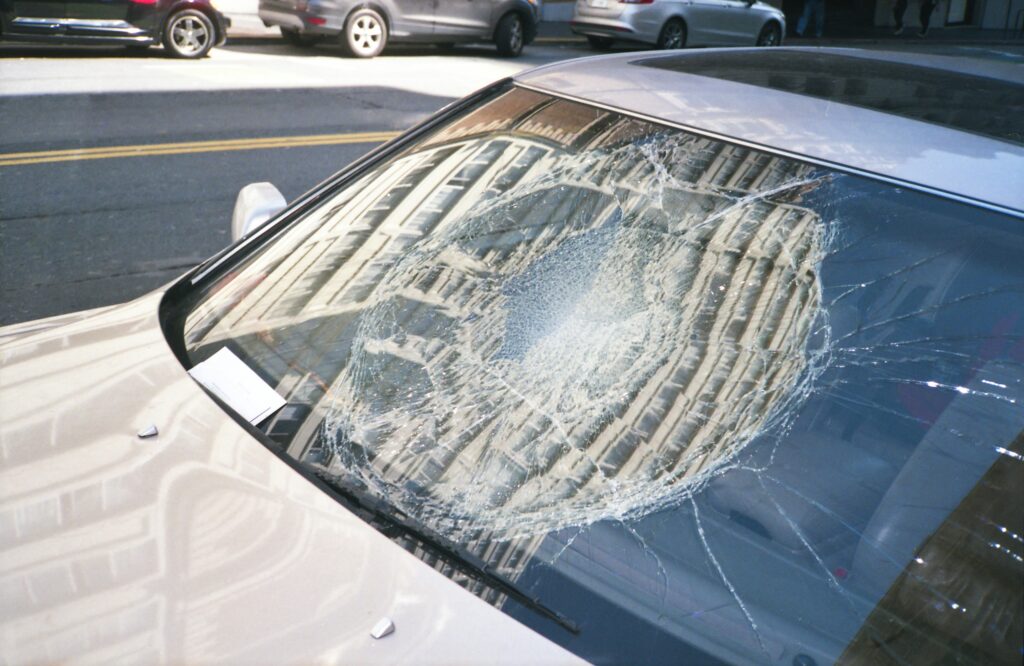
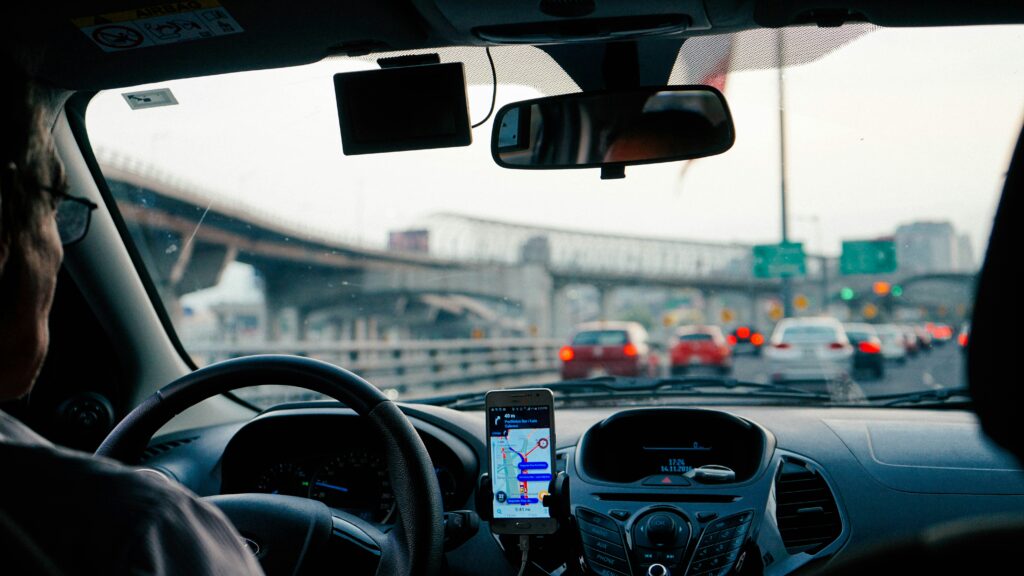
The rise of ride-sharing services like Uber and Lyft has transformed transportation in Portland and across Oregon. Whether catching a quick ride downtown or getting home safely after a night out, these services offer convenience and accessibility. But when an accident happens, things can quickly become complicated—especially when it comes to figuring out who’s liable and how to handle insurance claims.
As a Portland personal injury attorney, we often help clients untangle the legal and insurance issues that follow ride-sharing accidents. Whether you’re a passenger, another driver, or a pedestrian, understanding your rights and the insurance layers involved is key to recovering fair compensation.
The Unique Liability Challenges in Ride-Sharing Accidents
Unlike traditional car accidents, Uber and Lyft accidents often involve multiple parties and overlapping insurance policies. Here’s why determining liability is so complex:
Multiple Insurance Policies May Apply
Depending on who was at fault and what stage the ride-share driver was in at the time of the accident, different insurance policies come into play:
-
Driver’s Personal Auto Insurance: If the driver is logged off the app, only their personal auto insurance is active.
-
Contingent Liability Coverage (App On, No Passenger): If the driver is available but hasn’t accepted a ride, Uber and Lyft provide limited liability coverage (typically $50,000 per person/$100,000 per accident for bodily injury, plus $25,000 for property damage).
-
Full Coverage (Passenger in Car or On the Way to Pickup): If the driver is en route to a passenger or actively transporting one, both Uber and Lyft offer up to $1 million in liability coverage, as well as uninsured/underinsured motorist protection and contingent comprehensive and collision.
In Oregon, these policies are required to comply with state laws for ride-sharing services, also known as Transportation Network Companies (TNCs), under the Oregon Department of Transportation’s regulations.
Determining Who Was At Fault
Even with available insurance, the question of who caused the accident is crucial. Liability may fall on:
-
The ride-share driver
-
Another driver involved
-
A third party (e.g., a pedestrian or cyclist)
-
The ride-share company (in rare cases involving negligence, such as failure to screen a driver properly)
Oregon follows a comparative negligence system (ORS 31.600), which means more than one party can be held partially responsible. If you’re less than 51% at fault, you can still recover damages—but your award will be reduced by your percentage of fault.
Injured Passengers Face Delayed or Denied Claims
Passengers in Uber or Lyft accidents are typically not at fault, but that doesn’t mean the claims process is easy. Insurers for the ride-share company and the other driver may try to shift blame—or delay payments while they argue over which policy should pay.
This can leave passengers waiting months for medical coverage or settlement offers, even when they’ve suffered serious injuries. In such cases, having an experienced Portland personal injury lawyer can make all the difference by pressuring insurers and managing claim negotiations.
What If the Other Driver Is Uninsured or Underinsured?
If the accident was caused by another driver who doesn’t have enough insurance, Uber and Lyft’s Uninsured/Underinsured Motorist Coverage (UM/UIM) often applies. Oregon law requires TNCs to carry UM coverage for ride-share passengers, which can cover medical expenses, lost wages, and pain and suffering if the at-fault driver lacks adequate coverage (ORS 742.502).
Oregon-Specific Considerations for Ride-Share Accident Claims
-
Statute of Limitations: You generally have two years from the date of the accident to file a personal injury claim in Oregon (ORS 12.110).
-
Reporting the Accident: You must report the accident to the DMV if damages exceed $2,500 or if there are injuries or fatalities. Ride-share companies also require drivers to report accidents promptly through their app platforms.
-
Medical Expenses: If you were a passenger or pedestrian and not at fault, you may still need to use your own health insurance or PIP (Personal Injury Protection) initially before liability is determined and the appropriate policy pays out.
What You Should Do After a Ride-Share Accident in the Portland Area
-
Call 911 and seek medical attention, even for minor injuries.
-
Get contact and insurance information from all drivers involved.
-
Take screenshots of your ride details in the Uber or Lyft app.
-
Document the scene with photos and gather witness contact info.
-
File a police report, especially if there were injuries or significant damage.
-
Consult a personal injury lawyer in Portland before accepting a settlement.
How a Portland Personal Injury Lawyer Can Help
Insurance companies often try to shift responsibility or minimize payouts in ride-share accidents. Whether you’re dealing with Uber, Lyft, or multiple insurers, having experienced Portland personal injury lawyers in your corner ensures you’re treated fairly.
We help you:
-
Identify the responsible parties and applicable insurance policies
-
Navigate Oregon laws that affect your claim
-
Gather evidence and medical records to build a strong case
-
Negotiate with insurers and take your case to court if needed
Injured in a Ride-Share Accident? Let’s Talk
If you were injured in an Uber or Lyft accident in Oregon, don’t try to navigate the system alone. At DuBois Law Group – PDX Injury Law, we help passengers, drivers, and third parties get the compensation they deserve. Call or email our office today, we can help.
 English
  Español de México