 Fewer Cases Better Results





5 Key Documents to Strengthen Your Oregon Car Accident Claim
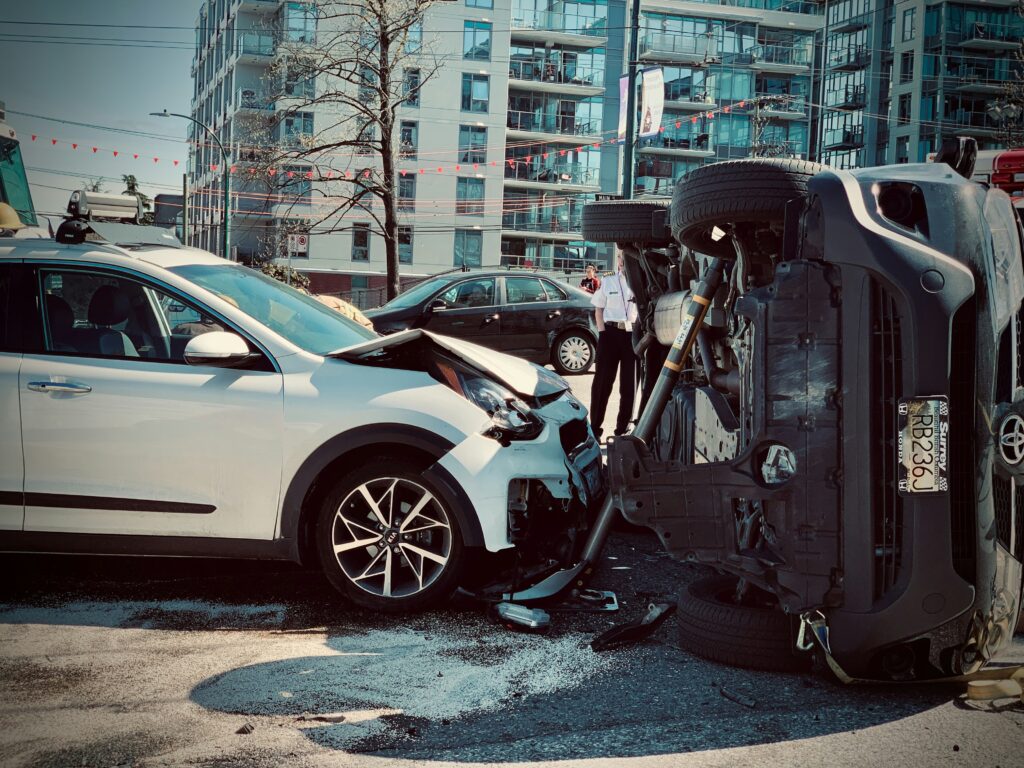
How To Build a Oregon Car Accident Claim File That Holds Up Under Pressure
After a crash, most people think the claim is about what happened in the intersection.
Insurance companies treat it differently. To them, the claim is a file. A liability narrative. A medical timeline. A damages ledger. A coverage map. And the number you’re ultimately offered is tied directly to how complete, consistent, and hard to dispute that file becomes.
This is why “having documents” is not the same as having a strong case. The goal is not to collect random paperwork. The goal is to assemble proof that answers the two questions every adjuster is trained to ask: who is legally responsible, and what does the injury actually cost in real life.
Below is the documentation stack that tends to matter most in Oregon crash claims, including what to gather, why it matters, and where Portland cases commonly develop avoidable gaps.
How Insurance Companies Actually Evaluate Your Claim
Most Portland crash claims rise or fall on four categories of evidence.
If one category is thin, insurers lean into denial, delay, or discounting. When all four are well supported, negotiation becomes less subjective and more about proof.
- Liability: what proves the other driver caused the collision, and what limits comparative fault arguments.
- Causation: what connects your injuries to this crash, not to something that happened earlier.
- Damages: what documents the full cost of the injury, medical expenses, wage loss, and the disruption to daily life.
- Coverage: what insurance is available and what rules apply to accessing it.
The Liability File
Liability evidence is the foundation. In Portland, disputes often revolve around lane changes, left turns, intersection timing, visibility, and “you should have seen them.” The more objective the proof, the less room there is for an insurer to rewrite what happened.
Police Report Or Crash Documentation
If law enforcement responded, obtain the police report as soon as it becomes available. It typically includes time and location, involved parties, early statements, witness names, and citations or observations that point to contributing factors.
Why it matters: insurers treat it like a baseline. It is not the final word on fault, but if the report contains factual errors, wrong lane, wrong intersection, incorrect direction of travel, the case can drift the wrong way unless your file corrects it with solid proof.
Scene Photos That Explain The “Why,” Not Just The Damage
Vehicle photos matter. Context photos often matter more.
- Wide shots showing lanes, turn pockets, signage, sight lines, and signal placement.
- Close ups of impact points, debris fields, skid marks, and broken parts location.
- Road and weather conditions, including glare, standing water, ice, or construction changes.
- Vehicle resting positions before they are moved, when safe to capture.
Why it matters: photos taken immediately after the collision preserve details that can disappear fast. Those details can later eliminate disputes about right of way and positioning.
Witness Information That Is Actually Usable Later
If witnesses stopped, get more than a name. Insurers discount vague witness claims. Specific observations tied to position and timing are harder to dismiss.
- Name, phone, and email.
- Where they were positioned when they saw the collision.
- One or two specific observations, such as a red light, unsafe lane change, speeding, or distracted driving.
- Whether they captured photos or video.
Dashcam And Nearby Camera Footage
Some of the strongest liability evidence comes from cameras, and many systems overwrite footage quickly.
- Dashcams from you, nearby drivers, rideshares, and delivery vehicles.
- Business cameras at intersections or along the approach.
- Residential doorbell cameras that capture sound or movement around the impact.
Why it matters: if video exists, the “document” you need is often a preservation request and a plan to retrieve the footage before it is gone.
Property Damage Records And Repair Files
Keep the full property damage file even if it feels “handled.”
- Tow receipts, storage invoices, and rental car records.
- Repair estimates, supplements, and final invoices.
- Total loss valuation reports and the comparable vehicles used to price your car.
- Pre repair photos documenting the full condition of the vehicle.
Why it matters: property damage does not prove injury, but it influences how insurers view the mechanism of injury and can support reconstruction when fault is disputed.
The Injury And Causation File
Insurers regularly push two themes: “your injuries aren’t that serious,” and “you already had this.” The way you protect your claim is not by arguing. It is by building a clear medical chronology that connects the injury to the crash and documents what changed in your body and your daily life.
First Medical Visit Records
- Ambulance run sheet, if transported.
- Emergency room or urgent care records.
- Imaging reports, X ray, CT, MRI, not just the bill.
- Discharge instructions and recommended follow up.
Why it matters: your earliest history often becomes the template repeated in future records. If something was missed or not documented, follow up quickly so the record reflects the full picture and reduces “late complaint” arguments.
Ongoing Treatment Notes That Show Progression And Functional Limits
Physical therapy notes, primary care records, specialist visits, and referrals are the backbone of a claim because they show progression and function, not just attendance.
- Provider notes describing restricted range of motion, strength deficits, radiating symptoms, or positive clinical testing.
- Work restrictions, activity limitations, and referral reasoning.
- Consistency in symptom description across visits.
Why it matters: the strongest files show a clean chain from crash to symptoms to treatment to measurable impact.
Bills, Ledgers, And Proof Of Payment
- Itemized bills and account ledgers from providers.
- Explanation of Benefits (EOBs) from health insurance.
- Receipts for prescriptions, co pays, therapy, and medical equipment.
Why it matters: when damages are documented as a ledger, valuation becomes harder to downplay as unsupported or inflated.
PIP Records In Oregon
Oregon car accident claims often involve Personal Injury Protection (PIP) benefits early in the process. Oregon law describes required PIP medical expense benefits, including caps and related rules. (ORS 742.524)
- Your declarations page showing PIP coverage.
- PIP claim number, forms, and any wage verification documentation if applicable.
- Denial or termination letters and the stated reason.
- Provider communications about unpaid balances and deadlines.
Why it matters: PIP disputes often preview the insurer’s later arguments about medical necessity, causation, or treatment duration.
A Short Symptom And Function Journal
This does not need to be dramatic. It needs to be specific.
- What you cannot do, drive more than a certain distance, sit at a desk, lift groceries, sleep through the night.
- How often symptoms occur, how long they last, and what triggers them.
- Headaches, dizziness, cognitive symptoms, and sleep disruption, if applicable.
Why it matters: a consistent record of functional impact helps providers document limitations and helps your claim tell a coherent story.
The Money File
Medical bills are only one part of the cost of a crash injury. Lost income, out of pocket expenses, and the cost of keeping life moving can add up quickly.
Lost Wages And Employment Impact
- Pay stubs or deposit records from before and after the collision.
- Employer confirmation of missed time, job duties, and wage rate.
- If self employed, invoices, calendar records, client cancellations, and prior year tax documentation.
Why it matters: wage loss is strongest when it is documented as proof, not described as frustration.
Out Of Pocket Costs
- Prescription and over the counter medications.
- Mileage logs or rideshare receipts for appointments.
- Home help or services you had to pay for because you could not lift, clean, or handle basic tasks.
Why it matters: if you do not document these costs, they often disappear from the claim because insurers rarely volunteer to add them.
The Coverage File
Liability is only half the battle. The other half is figuring out what coverage exists and what rules apply to accessing it.
- Your auto declarations page showing PIP, UM, UIM, MedPay, and rental coverage.
- The at fault driver’s insurance information, policy details if available, and claim number.
- Any umbrella policy information, when applicable.
- All written correspondence with insurers, including emails and denial letters.
Why it matters: underinsured driver scenarios are common. Knowing early whether UM or UIM coverage may be needed can affect settlement timing and strategy.
If you are trying to map out how a claim typically unfolds in Portland, including insurance pushback and the leverage points that change outcomes, this overview of Portland car accident lawyers is a solid next step.
Special Portland And Oregon Situations That Can Change The Documentation You Need
Crashes Involving A Public Entity
If a public body may be responsible, think road design issues, poor signage, city owned vehicles, or government employees on the job, Oregon has strict notice rules. Oregon law generally requires notice of claim within 180 days for most claims under the Oregon Tort Claims Act, with different timing for wrongful death claims. (ORS 30.275)
Why it matters: if the right notice is not given on time, the claim can be barred even if liability is strong. Documentation here is not just evidence, it is compliance.
Comparative Fault Arguments
In Portland, comparative fault arguments show up constantly in intersection cases, lane change disputes, bicycle collisions, and pedestrian injuries where insurers try to claim someone “stepped out,” “was not visible,” or “could have avoided it.” Oregon’s comparative fault standard is set out in ORS 31.600. (ORS 31.600)
Documentation that helps: signal timing evidence, visibility photos, witness positioning, and any video that shows speed and right of way.
Deadlines That Are Easy To Miss
Oregon’s general two year statute of limitations for many injury claims is a real deadline, not a guideline. (ORS 12.110)
Why it matters: even when negotiations are active, letting the deadline pass can destroy leverage. A well organized file helps your attorney evaluate the case early enough to protect your claim.

What Happens When Your Documentation Is Incomplete
When a claim file is thin, insurers gain leverage. The result is usually one of four outcomes: denial, delay, discounting, or a drawn out dispute that could have been avoided with better proof.
Liability Gets Contested
Missing witness information, poor scene photos, or a weak police narrative can create room for the insurer to argue you share fault or that the collision did not happen the way you described.
The Injury Gets Minimized
Gaps in care, incomplete records, or inconsistent symptom histories can lead to claims that your injuries are minor, unrelated, or resolved sooner than you say.
Damages Get Undervalued
If wage loss and out of pocket costs are not documented, they often do not get paid. The same is true for future care arguments when the treatment timeline is unclear.
Processing Slows Down
Missing documentation invites back and forth requests, which stretches resolution and can become a pressure tactic to push a lower settlement.
What To Avoid While Building Your Claim File
Recorded statements: do not rush into recorded statements. Adjusters often use them to lock you into phrasing that later becomes a liability or causation argument.
Broad medical authorizations: be cautious about signing authorizations that allow wide access to unrelated history without understanding what is being requested.
Fast settlements: be careful about early settlement offers when treatment is still developing. Once you sign a release, the claim is typically over.
Gaps in care without explanation: if you had scheduling delays, travel, or referral wait times, document the reason so it does not look like the injury went away.
Social media: photos out of context can become misleading activity level arguments even when they prove nothing about pain, range of motion, or function.
Get Help Turning Documents Into Leverage
Collecting paperwork is not the goal. Building a claim file that is consistent, provable, and difficult to discount is what changes outcomes. That includes organizing liability proof, tightening medical chronology, documenting full damages, identifying coverage options early, and staying ahead of the deadlines and defenses insurers use in Oregon.
If you were injured in Portland and you want your case built the right way, contact Dubois Law Group-PDX Injury Law for a free consultation. To connect with our team, start here: Portland personal injury attorney.
 English
  Español de México