 Fewer Cases Better Results





Who’s at Fault? Understanding Liability in Rear-End Collisions in Oregon
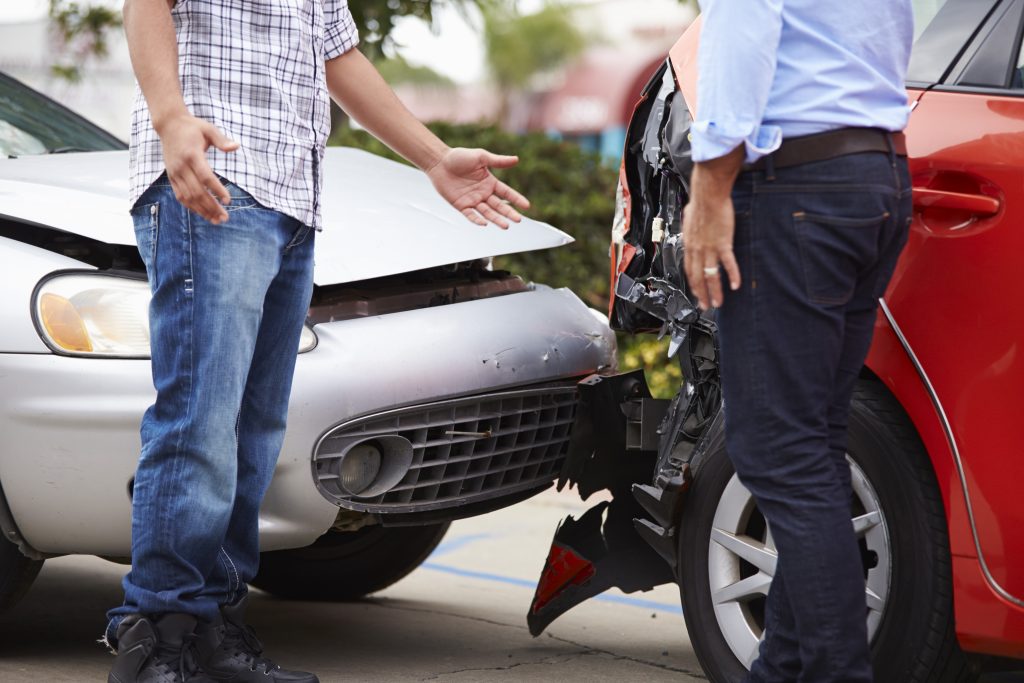
Rear-end collisions are among the most common types of car accidents in Oregon Consulting an Oregon personal injury attorney after such an incident can make a significant difference in protecting your rights., often resulting in significant property damage and injuries. According to the National Highway Traffic Safety Administration (NHTSA), rear-end collisions account for nearly 29% of all traffic accidents nationwide. In Oregon, they are a leading cause of roadway incidents, often linked to distracted driving and tailgating.
Determining fault in these incidents is crucial for resolving insurance claims and legal disputes. Understanding liability in rear-end collisions involves evaluating the circumstances, Oregon’s traffic laws, and the actions of the drivers involved. An experienced personal injury attorney in Oregon can guide you through this process. This guide provides an in-depth look at rear-end collision liability and factors influencing fault determination.
The General Rule in Oregon Car Accidents: The Rear Driver Is Typically at Fault
In most rear-end collisions, the driver in the rear is presumed to be at fault. However, an Oregon personal injury attorney can help examine specific details to confirm or dispute this presumption. This is based on the expectation that all drivers must maintain a safe following distance to avoid accidents. Oregon law (ORS 811.485) specifically prohibits following another vehicle too closely, often referred to as “tailgating.” When a driver fails to leave adequate space and is unable to stop in time to avoid a collision, they are usually held responsible for the damages.
Why the Rear Driver Is Usually at Fault:
- Failure to maintain a safe following distance.
- Inability to react to sudden stops or slowdowns.
- Distracted driving, such as texting or using a mobile phone.
- Speeding or driving too fast for road conditions.
However, this general assumption does not mean the rear driver is always at fault. Certain scenarios can shift or share liability.
Exceptions in an Oregon Car Accident: When the Lead Driver May Be at Fault
There are situations where the lead driver’s actions contribute to or cause the accident. Examples include:
- Sudden and Unnecessary Stops: If the lead driver brakes abruptly without a valid reason, such as avoiding an obstacle or complying with traffic signals, they may share or bear full liability.
- Reversing into a Vehicle: A lead driver who unintentionally or intentionally backs into another car can be held responsible.
- Driving Without Proper Signals: Failing to use turn signals or having malfunctioning brake lights can confuse the rear driver, increasing the risk of a collision.
- Road Rage or Reckless Behavior: Aggressive driving, such as “brake checking” (intentionally slamming on brakes to deter a tailgating driver), may place fault on the lead driver.
In such cases, a thorough investigation is necessary to determine the primary cause of the accident.
Factors That Influence Fault Determination in an Oregon Car Accident
While the general rule places fault on the rear driver, liability in rear-end collisions can be influenced by several factors. Insurance adjusters, law enforcement, and attorneys will often consider:
- Road Conditions: Wet, icy, or poorly maintained roads can make it harder for drivers to stop in time, potentially reducing the rear driver’s liability.
- Vehicle Maintenance Issues: Faulty brakes, worn tires, or other mechanical failures in either vehicle can play a role in the collision.
- Driver Distractions: Evidence that the lead driver or rear driver was distracted can shift liability. Examples include phone usage, eating, or adjusting the radio.
- Traffic Violations: If either driver violated traffic laws (e.g., running a red light or speeding), this can impact fault determination.
- Dashcam or Surveillance Footage: Video evidence can provide clear insight into the actions of both drivers before the collision, helping establish liability.
Shared Liability in Oregon
Oregon follows a “comparative negligence” system, meaning fault can be shared between drivers. Under Oregon law, a driver can recover damages as long as they are not more than 50% at fault. However, their compensation is reduced by their percentage of fault. For instance:
- If the rear driver is deemed 70% at fault and the lead driver 30%, the rear driver cannot recover damages.
- If the rear driver is 40% at fault and the lead driver 60%, the rear driver’s compensation is reduced by 40%.
This system underscores the importance of thorough documentation and evidence to accurately assess each driver’s role in the accident.
Steps to Take After an Oregon Rear-End Collision
Taking the right steps after a rear-end collision is essential to protecting your rights and ensuring a smoother claims process. Start by ensuring the safety of everyone involved. Check for injuries and, if possible, move vehicles to a safe location away from traffic. Call law enforcement to report the accident and request a police report, which can be crucial for determining fault later.
Document the scene thoroughly by taking photos of vehicle damage, license plates, road conditions, and any visible injuries. Exchange contact and insurance details with the other driver, as this information is critical for filing insurance claims. Even if injuries seem minor, seek medical attention promptly; conditions like whiplash may not manifest symptoms immediately.
Notify your insurance company about the accident as soon as possible and provide them with all necessary documentation. Finally, consult an Oregon personal injury attorney if liability is disputed or if injuries are significant. An experienced attorney can help navigate the claims process and protect your legal rights.
Proving Fault in Oregon Rear-End Collisions
Establishing fault requires a combination of evidence and expert analysis. Police reports are vital as they often detail driver behavior, road conditions, and witness statements. Eyewitness testimonies can further corroborate your account of the accident, while photographic evidence of the accident scene and vehicle damage provides additional context.
In complex cases, accident reconstruction experts may be called upon to analyze the collision and determine how it occurred and who is at fault. Seeking guidance from an Oregon personal injury attorney ensures you gather the necessary evidence and build a strong case to support your claim.
Experienced Portland Personal Injury Attorneys At Your Service
At DuBois Law Group, we understand the challenges and complexities that follow a rear-end collision. Our team of experienced Oregon personal injury attorneys is dedicated to helping you navigate the legal process, determine liability, and secure the compensation you deserve. Whether you’re dealing with disputed fault or significant injuries, we’re here to advocate for your rights and provide the personalized attention your case requires. Contact us today for a free consultation and let us guide you through every step of your recovery journey.
 English
  Español de México