 Fewer Cases Better Results





Pedestrian Accidents in the USA, and Here in Portland Oregon
The balance between vehicular traffic and pedestrian safety has always been a delicate issue in the dynamic ebb and flow of urban environments. As our cities expand and become more congested, ensuring the safety of those on foot becomes both more critical and more challenging. Unfortunately, pedestrian accidents have emerged as a pressing concern in numerous American cities, often leading to severe injuries or tragic fatalities.
For a law firm deeply entrenched in the realm of personal injury, we’ve observed first-hand the devastating repercussions of these accidents — both on the victim and their families. The aftermath is often a complex web of medical bills, insurance claims, emotional trauma, and legal proceedings. In our commitment to raising awareness and advocating for safer urban planning, we’ve identified some cities where pedestrian accidents are alarmingly high. By spotlighting these areas, our Oregon pedestrian accident attorneys hope to foster a dialogue about the necessary measures to protect our most vulnerable road users.
Staying Safe on Portland’s Streets: Navigating Pedestrian Safety
Pedestrian safety is a pressing concern in bustling urban areas like Portland. If you or someone you know has been involved in a pedestrian-related accident, the DuBois Law Group is here to offer comprehensive legal assistance. Our experienced team of personal injury attorneys is deeply committed to championing pedestrian rights, ensuring that you receive the just compensation vital for your healing journey and to alleviate any ensuing distress.
With the rising popularity of eco-friendly transportation, Portland streets are teeming with walkers, joggers, and cyclists. While this is undoubtedly a step in the right direction for our environment, it has also led to an increase in potential hazards for pedestrians. Busy intersections, distracted drivers, and inadequate pedestrian infrastructures can often culminate in grievous accidents.
Navigating the aftermath of a pedestrian accident involves understanding the complex legalities specific to Oregon. From determining fault to ascertaining rights and responsibilities, every aspect requires keen attention to detail. That’s where the DuBois Law Group shines. Our team is proficient in Oregon’s pedestrian laws and regulations, ensuring that you are not unjustly blamed or inadequately compensated.
Concerns of Pedestrian Safety in Portland
Portland, in its bid to be a pedestrian-friendly city, has laid down robust regulations and guidelines. Yet, despite stringent rules, pedestrian-related accidents are not uncommon. The onus of ensuring safety isn’t only on the drivers; infrastructure inadequacies and ambiguous road signals can also be contributing factors.
Disturbing statistics highlight the vulnerabilities pedestrians face. For instance, distracted driving has been on the rise, with many accidents occurring at crosswalks and intersections. Pedestrians, especially children and the elderly, are at a higher risk given their reduced mobility and slower reaction times.
The intense urbanization and expansion of Portland have meant that pedestrians often find themselves navigating amidst heavy traffic, construction zones, and fast-moving vehicles. Thus, a comprehensive understanding of city regulations, traffic patterns, and known risk zones becomes crucial.
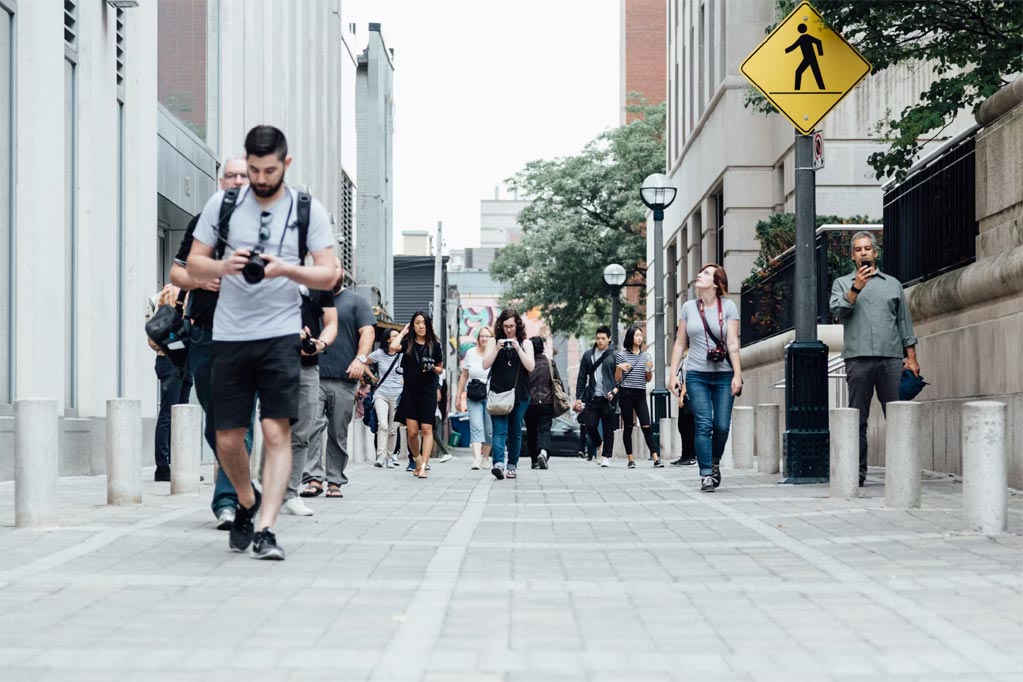
The 5 Worst Cities in America for Pedestrian Accidents
Spoiler alert: Portland didn’t make the list. Here are five cities that, based on data and our experience, have consistently presented heightened concerns for pedestrian safety.
- Los Angeles, California: Often described as the quintessential car city, Los Angeles is a sprawling metropolis that stretches across a vast geographical expanse. The city is known for its extensive car culture, labyrinth of highways, and frequent traffic jams. As a result of this car-centric design, pedestrians often face numerous challenges when navigating the city. Intersections, especially in the densely populated areas like Downtown LA and Hollywood, are hotspots for accidents. The mix of high vehicle traffic, coupled with inadequate pedestrian infrastructure in many areas, makes for a hazardous combination. Efforts have been underway to improve pedestrian safety, such as the Vision Zero initiative, which aims to eliminate traffic deaths. However, with the growing population and constant influx of tourists, ensuring pedestrian safety remains a significant challenge for the City of Angels.
- Phoenix, Arizona: Phoenix might not have the same population density as some other major cities, but it sees a disproportionately high rate of pedestrian fatalities. The city’s expansive, wide streets and long blocks can make it particularly treacherous for those on foot. Add to this the high-speed avenues and a general lack of shade, and you have conditions that discourage walking yet also endanger those who do. Local governments have been making efforts to increase the number of crosswalks and pedestrian-friendly zones, but there’s still a long way to go to make Phoenix truly safe for walkers.
- Houston, Texas: As one of America’s largest cities in terms of land area, Houston’s urban sprawl has created an environment where vehicles often dominate the roads. Wide roads designed for fast-moving traffic, coupled with a lack of adequate pedestrian crossing points, make it perilous for those walking. Areas outside of the downtown core, in particular, often lack the necessary infrastructure to support pedestrian safety. The city’s rapid growth has made it challenging to retrofit older areas with the needed pedestrian infrastructure, leading to ongoing concerns about pedestrian safety.
- Miami, Florida: Sun-kissed beaches and vibrant nightlife make Miami a popular destination for tourists from around the world. However, the city also has a dark side when it comes to pedestrian safety. Florida, as a state, has multiple cities notorious for high pedestrian incident rates, and Miami often stands out among them. Urban areas like Miami Beach and Downtown Miami see a mix of hurried locals and unfamiliar tourists, leading to dangerous situations for those on foot. The city has recognized the issue and has been investing in safer pedestrian crossings, improved lighting, and public awareness campaigns to bring the numbers down.
- Las Vegas, Nevada: Synonymous with entertainment, Las Vegas is a city that never sleeps. The iconic Las Vegas Strip, with its dazzling lights and throngs of tourists, is also a place where pedestrian safety concerns frequently arise. The combination of visitors unfamiliar with the city’s layout, coupled with the area’s inherent distractions, results in heightened risks for those on foot. While pedestrian bridges have been installed over the busiest intersections to protect pedestrians, accidents still occur, especially in areas farther from the central Strip. As the city continues to grow and evolve, addressing pedestrian safety remains a top priority for local officials.
In urban areas, the density of both vehicles and pedestrians presents unique challenges for pedestrian safety. One fundamental aspect is the proper use of designated crosswalks and pedestrian signals. Crossing streets at marked crosswalks, where drivers expect to see pedestrians, significantly reduces the risk of accidents. Waiting for the walk signal, making eye contact with drivers, and ensuring that all lanes of traffic have stopped before proceeding further enhances safety. Additionally, pedestrians should always remain alert and avoid distractions, such as using a smartphone or wearing headphones, while crossing streets.
Another essential element of pedestrian safety in urban settings is visibility. Due to the frequent presence of parked cars, buses, and other large vehicles, it’s easy for pedestrians to be obscured from a driver’s sight. To combat this, individuals should wear bright or reflective clothing, especially during nighttime or low-light conditions. Carrying a flashlight or wearing a reflective wristband can also make a significant difference in being seen. Moreover, when stepping out from between parked vehicles or waiting at bus stops, it’s crucial to be extra cautious and ensure the path is clear.
Understanding and anticipating potential dangers is paramount. In bustling urban environments, hazards can emerge suddenly, be it from turning vehicles, reversing cars, or cyclists zipping past. By staying aware of one’s surroundings, refraining from crossing streets outside of crosswalks, and avoiding unpredictable movements, pedestrians can greatly reduce their risk. It’s also beneficial to be aware of environmental factors, like wet or icy conditions, which can affect both pedestrian and vehicular traction, and adjust one’s behavior accordingly.
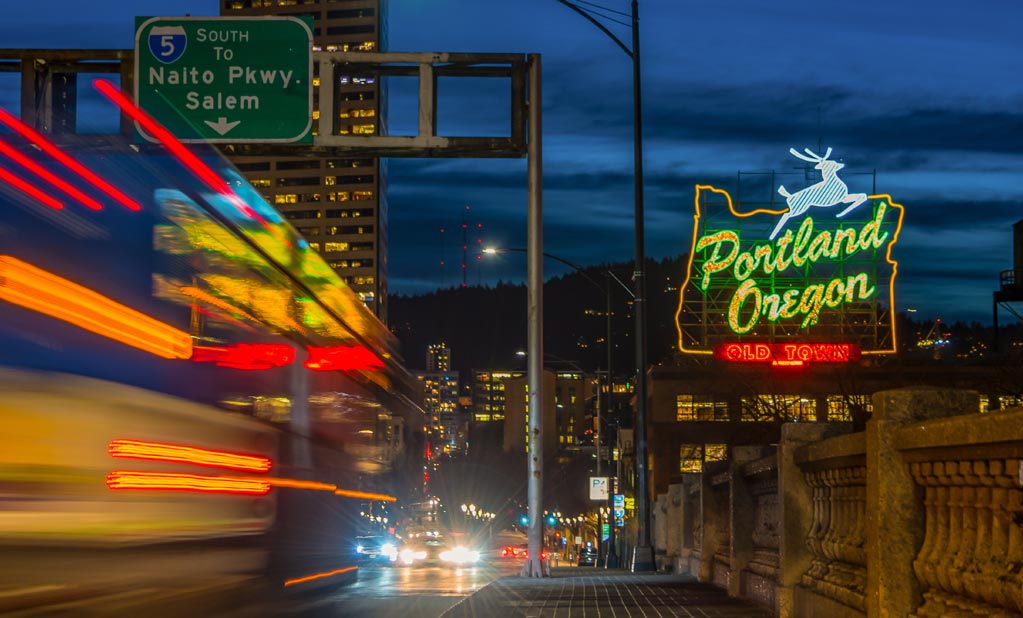
Pedestrian Accidents – FAQ
What constitutes a pedestrian accident in legal terms?
A pedestrian accident refers to any incident where a person walking or standing is struck or injured by a vehicle. This includes cars, trucks, bicycles, and even scooters. The pedestrian might be crossing the street, walking along the roadway, or even on the sidewalk when the accident occurs.
Who is liable in a pedestrian accident?
Liability in a pedestrian accident often falls on the driver of the vehicle that struck the pedestrian. However, liability can also depend on factors like the pedestrian’s actions, road conditions, and local traffic laws. In some cases, both the driver and pedestrian may share responsibility. Additionally, third parties, such as a malfunctioning traffic signal or poor road design, can also be liable.
How is negligence determined in pedestrian accidents?
Negligence is determined based on whether the driver or pedestrian failed to exercise reasonable care under the circumstances. Factors to consider include speeding, disregarding traffic signals, distracted driving, the pedestrian’s use of marked crosswalks, and the visibility of the pedestrian.
What types of compensation can a pedestrian seek following an accident?
If injured in a pedestrian accident, victims may seek compensation for medical expenses (past and future), lost wages or lost earning capacity, pain and suffering, emotional distress, property damage, and loss of consortium or companionship (if applicable).
Are there any unique laws or considerations lawyers should be aware of when handling pedestrian accident cases?
Yes. Many jurisdictions have specific traffic laws that provide protections for pedestrians. For example, in some places, vehicles are required to yield to pedestrians in crosswalks, while in others, pedestrians may be required to yield to vehicles when crossing outside of designated areas. It’s essential to be familiar with local traffic regulations and any potential comparative or contributory negligence rules that might affect the case.
Reliable & Highly Rated Portland Personal Injury Attorneys for Pedestrian Accidents
At the DuBois Law Group, our dedication goes beyond legal representation. We actively advocate for safer streets, collaborating with local agencies to highlight risk-prone areas and promote pedestrian-friendly initiatives. When representing you, we undertake an exhaustive approach. From conducting on-site investigations and gathering eyewitness testimonies to analyzing accident reports and liaising with local authorities, we ensure a meticulous examination of every detail. If you or someone you know has been affected by a pedestrian-related accident in Portland, trust the personal injury attorneys at DuBois Law Group to provide comprehensive support and dedicated legal representation in your pursuit of justice.
 English
  Español de México