 Menos casos Mejores resultados (Es)





Ride-Share vs. Traditional Transport: How Do the Accident Rates Compare?
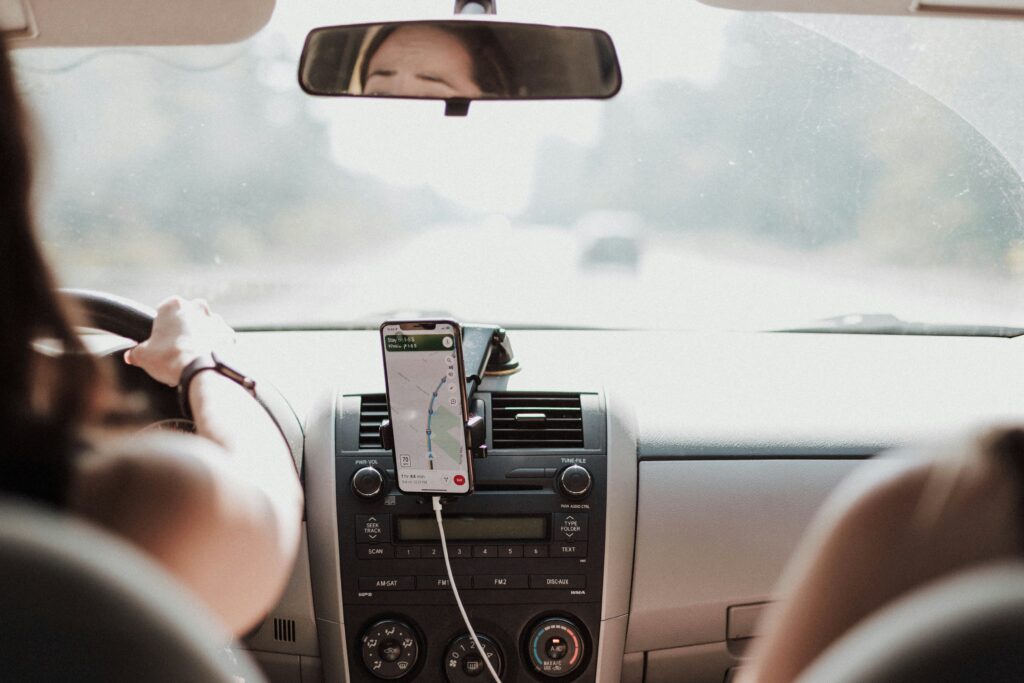
With the growing popularity of ride-sharing services like Uber and Lyft, many Portland residents have traded traditional taxis, public transit, and even personal vehicles for a tap on a smartphone. But as more people embrace ride-sharing for daily commutes, nights out, and airport runs, one question continues to stir debate: Are ride-share vehicles safer—or more dangerous—than traditional forms of transportation?
As Portland personal injury attorneys, we often help clients injured in Uber or Lyft crashes, but we’ve also seen injuries arise from taxis, TriMet buses, and private cars. Understanding the differences in accident risks across these transportation modes can help riders make informed choices—and know what to do if they’re ever involved in a crash.
What the Data Says About Ride-Share Safety
A growing body of research has attempted to measure how ride-sharing services have impacted road safety—and the results are mixed.
1. Ride-Sharing and Alcohol-Related Crashes
One of the most cited benefits of ride-sharing is its role in reducing drunk driving. The logic is simple: when people have easy, affordable access to a ride after drinking, they’re less likely to get behind the wheel themselves.
Some studies support this claim. For example:
-
A 2017 study published in the American Journal of Epidemiology found that in certain large cities, the availability of Uber correlated with a 6% decrease in alcohol-related driving fatalities.
-
Cities that previously lacked late-night transportation options have seen improved safety since ride-share services became available.
However, other researchers have pointed out that the effect is not universal. There may be no measurable impact on DUI rates in smaller or mid-sized cities—or in areas where ride-sharing is not consistently available.
2. Overall Increase in Traffic Collisions
While ride-sharing may reduce impaired driving, it may contribute to increased traffic volume and more collisions overall. A 2018 study from the University of Chicago and Rice University linked the introduction of ride-share services to a 3% increase in traffic fatalities across the U.S., amounting to nearly 1,000 additional deaths per year.
The reasons for this increase include:
-
More ride-share vehicles are circulating urban areas while waiting for fares
-
More distracted drivers are using apps for navigation and ride management
-
More frequent stops in unsafe or congested locations (double-parking, blocking bike lanes, etc.)
Traditional Transportation: How Does It Compare?
Taxi Services
Traditional taxi services operate under different rules from ride-sharing platforms. Taxis are typically licensed by the city, undergo more rigorous vehicle inspections, and often have more experience navigating local streets. However, they still contribute to congestion and can be involved in crashes.
Public Transportation
Mass transit systems like TriMet buses or MAX trains in Portland have relatively low accident rates per passenger mile. While injuries can happen—such as slips, falls, or collisions—public transit remains one of the safest transportation options. Plus, it takes many vehicles off the road, which helps reduce overall traffic volume.
Personal Vehicles
Driving your own car gives you control over the experience and makes you directly responsible for navigating traffic, avoiding distractions, and staying sober. Statistically, private vehicles are involved in the majority of traffic crashes, simply because they are the most common form of transport.
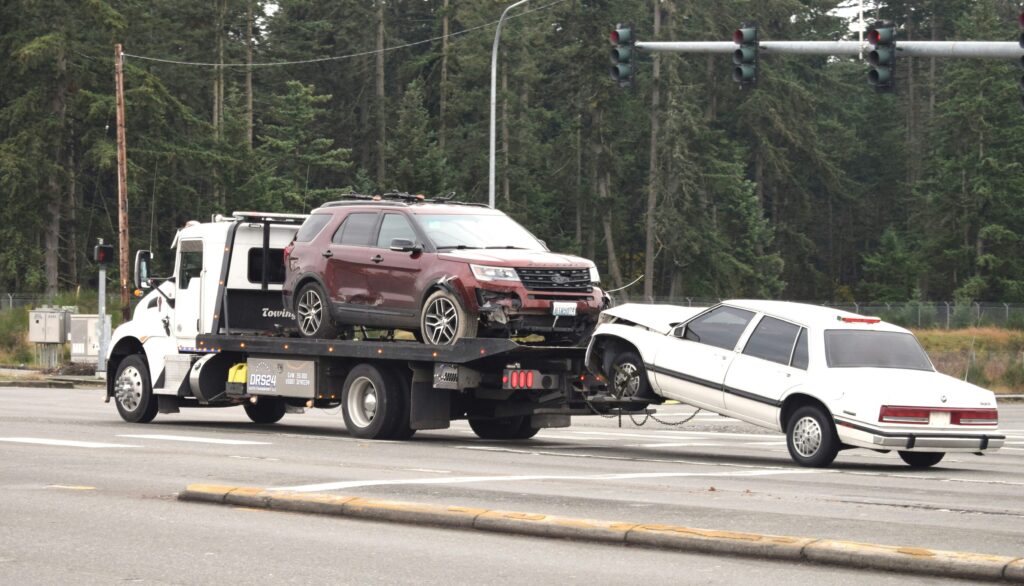
So Which Is Safer? It Depends
The safety of your trip—whether by Uber, taxi, bus, or personal car—depends on many factors:
-
Time of day (late-night driving tends to be riskier)
-
Driver behavior (distracted or fatigued ride-share drivers increase crash risk)
-
Road conditions (Portland’s rainy weather can contribute to crashes)
-
Urban congestion (downtown Portland has high-density traffic and frequent pedestrian activity)
While ride-sharing can reduce drunk driving in some settings, it introduces new risks due to distracted driving, app usage, and an increase in overall vehicle miles traveled (VMT).
What to Do If You’re Injured in a Ride-Share or Taxi Accident
If you’re hurt in an accident while riding in an Uber, Lyft, taxi, or any other form of transport, you have rights. However, filing an injury claim can be complicated—especially when multiple parties and insurance companies are involved.
You may be dealing with:
-
The ride-share company’s insurance
-
The driver’s personal auto insurance
-
Another motorist’s insurance if multiple vehicles were involved
-
Public agency claims if you were on public transit
A abogado experto en lesiones personales in Portland can help you sort through these details and pursue the compensation you deserve.
Why Choose DuBois Law Group – PDX Injury Law
At DuBois Law Group – PDX Injury Law, our team of Portland personal injury lawyers has experience handling injury cases involving all forms of transportation. We know the unique liability issues arising with ride-share accidents and how to hold companies like Uber and Lyft accountable.
We’ll help you:
-
Investigate the cause of the crash
-
Navigate complex insurance claims
-
Recover compensation for medical bills, lost wages, and pain and suffering
 Español de México
  English