 Menos casos Mejores resultados (Es)





Por qué aumentan los accidentes de peatones en el Noroeste durante el otoño y el invierno
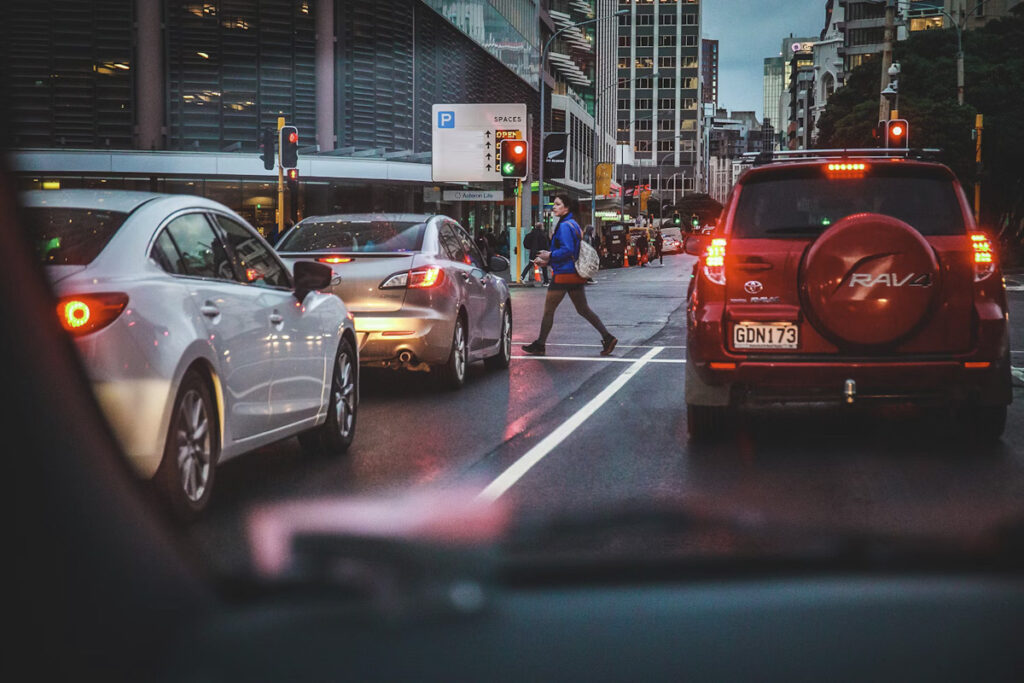
As the vibrant colors of fall start to appear in the Northwest and the air turns crisp, many people in the region enjoy outdoor walks, hikes, bike rides, and other activities. However, with the beauty of autumn also comes an increase in pedestrian accidents. This time of year presents specific challenges for pedestrians and drivers alike, leading to a noticeable uptick in collisions that can cause severe injuries or even fatalities.
At our Portland injury law firm, we see first-hand the devastating impact of pedestrian accidents on victims and their families. We believe it’s important to understand why these accidents are more frequent during fall and winter and what can be done to prevent them. By being aware of the factors that contribute to increased danger and by taking steps to stay safe, we can work together to reduce these tragic incidents.
Shorter Days & How Lack of Daylight Contributes to Pedestrian Accidents
One of the most significant factors behind the increase in pedestrian accidents during this time of year is the shorter daylight hours. In the Northwest, the sun sets earlier and rises later, resulting in longer periods of darkness when people are out walking, especially during the morning and evening rush hours.
With less natural light, visibility is greatly reduced for both pedestrians, cyclists, and drivers. Pedestrians and bike riders may not be as easily seen by motorists, particularly if they are wearing dark clothing or walking in areas with poor street lighting. Drivers may struggle to spot pedestrians crossing the street or walking along the side of the road until it’s too late to avoid an accident.
To reduce the risk, pedestrians and cyclists should consider wearing bright or reflective clothing when walking after dark. Carrying a flashlight or using the flashlight feature on a smartphone can also increase visibility. On the other hand, drivers need to remain extra vigilant during these hours, especially near intersections, crosswalks, and high-traffic areas.
Weather Woes – The Role of Rain and Fog in Pedestrian Accidents
The Northwest is known for its rainy and foggy weather, especially in the fall and winter. Wet, slippery roads and reduced visibility due to rain or fog make driving more dangerous, leading to an increased likelihood of accidents involving pedestrians.
Rain not only makes roads slick, but it also causes glare. The reflection of streetlights and headlights on wet pavement can obscure a driver’s view, making it more difficult to see people walking or riding bikes, especially those crossing at intersections or along roadways. Fog further compounds the problem by creating a blanket of low visibility that reduces reaction time for both drivers and pedestrians.
For pedestrians, staying safe during rainy or foggy conditions involves being cautious when crossing streets and avoiding jaywalking. Always use designated crosswalks, and try to make eye contact with drivers before stepping into the street to ensure they see you. Drivers should slow down, increase their following distance, and be prepared for unexpected stops when driving in poor weather conditions. Keeping windshield wipers in good condition and using headlights appropriately (even during the day) can also help increase visibility.
Traffic and Darkness – A Dangerous Combination
Another major factor in the increased number of pedestrian accidents and bike accidents during fall and winter is the convergence of rush hour traffic with low-light conditions. The end of Daylight Saving Time pushes the evening commute into darkness, making the roads more hazardous for both drivers and pedestrians.
During rush hour, roads are often crowded with stressed, distracted, or hurried drivers. Many commuters may be tired after a long day of work and may not be as alert as they should be. The combination of darkness, heavy traffic, and decreased attention creates a perfect storm for accidents to occur.
Pedestrians should be particularly cautious when walking near busy roads during peak traffic times. Using sidewalks, staying well-lit, and avoiding distractions like texting while walking are crucial safety measures. Drivers, in turn, should slow down, especially in residential neighborhoods, school zones, or areas where pedestrian traffic is likely to be high.
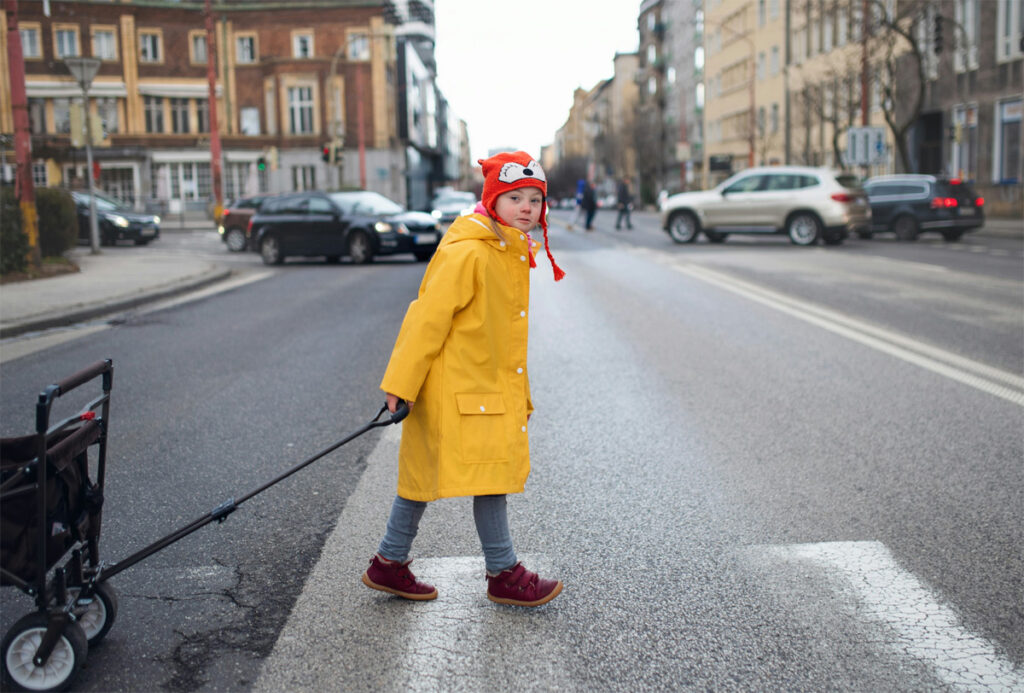
Cold Weather Clothing is a Hidden Risk Factor
When the temperatures drop, pedestrians begin to layer up with heavy coats, hats, and scarves to keep warm. However, bulky clothing can restrict a person’s peripheral vision or limit their hearing, making it harder to notice approaching vehicles. For instance, a thick hat or scarf might muffle the sound of an oncoming car, while a hood or hat could limit a person’s ability to see cars approaching from the side.
To stay safe, pedestrians should try to remain aware of their surroundings even while bundled up. Using crosswalks and being mindful of traffic can help reduce the chances of an accident. For drivers, it’s important to remember that pedestrians may be less aware of their surroundings in cold weather and to drive accordingly.
Increased Pedestrian Traffic During the Holidays
Fall and winter are also seasons of celebration and activity. The holiday season brings increased pedestrian activity as people walk to and from shopping centers, social gatherings, and other seasonal events. Unfortunately, the hustle and bustle of the holiday season can lead to distractions for both pedestrians and drivers. Stress, tight schedules, and distractions such as mobile phones make accidents more likely during these busy months.
Both pedestrians and drivers need to remain alert during the holiday season. For pedestrians, this means staying focused and avoiding distractions like texting while walking. For drivers, it’s essential to keep your eyes on the road and be especially cautious in parking lots, near shopping centers, and in residential areas where people may be walking.
How to Stay Safe as a Pedestrian and a Driver
While there are many factors that contribute to an increase in pedestrian accidents during the fall and winter months, there are steps that both pedestrians and drivers can take to stay safe.
For Pedestrians:
- Wear bright or reflective clothing, especially when walking at night.
- Carry a flashlight or use your smartphone’s light to increase visibility.
- Always use crosswalks and follow traffic signals.
- Stay alert and avoid distractions, such as texting or using your phone while walking.
- Be mindful of weather conditions and avoid walking in areas with poor visibility.
For Drivers:
- Slow down, especially in areas where pedestrians are likely to be present.
- Increase your following distance in wet or foggy conditions.
- Stay vigilant, particularly during the evening or early morning when visibility is low.
- Use your headlights appropriately, even during the day, to increase visibility.
- Avoid distractions like texting or using your phone while driving.
By understanding the factors that lead to more pedestrian accidents in the fall and winter and taking proactive steps to stay safe, both pedestrians and drivers can help reduce the number of accidents during this time of year.
If you or a loved one has been injured in an accident, our team of personal injury attorneys is here to help. We specialize in representing victims of accidents and can guide you through the legal process to ensure you receive the compensation you deserve. Don’t hesitate to contact our law firm today for a free consultation.
 Español de México
  English