 Menos casos Mejores resultados (Es)





Cómo los incidentes de viajes compartidos están generando importantes desafíos legales para Uber y Lyft
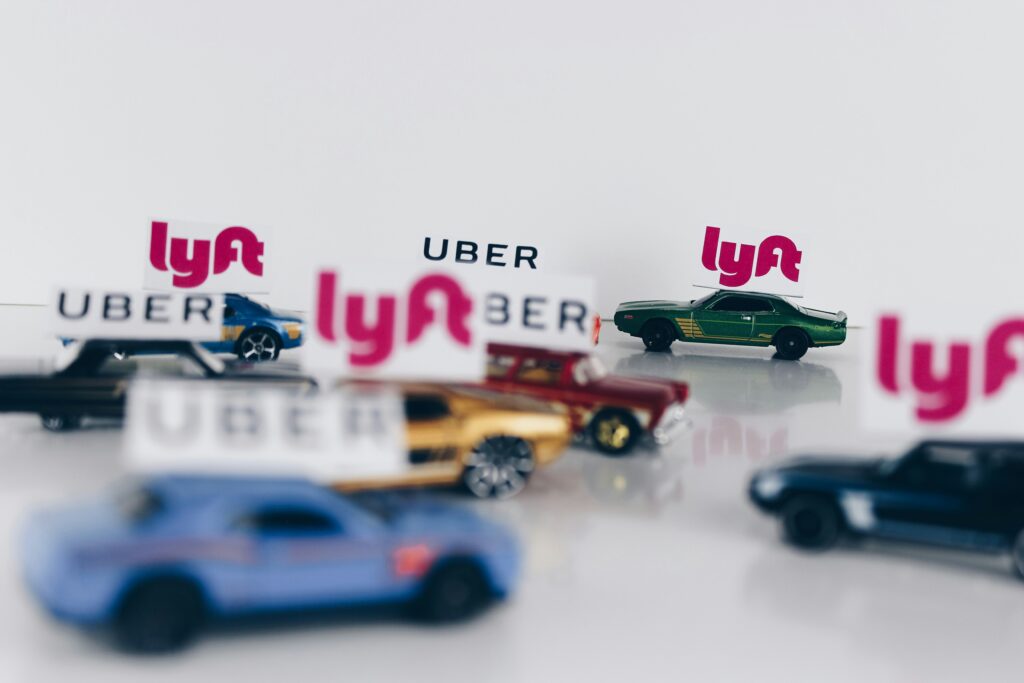
Servicios de transporte compartido como Uber y Lyft han cambiado la forma en que nos movemos por nuestras ciudades, especialmente en lugares como Portland, donde estas aplicaciones son ahora la opción principal para todo, desde traslados al aeropuerto hasta viajes a casa a altas horas de la noche. Pero a medida que aumenta la popularidad del transporte compartido, también lo hacen las complicaciones legales que conlleva.
Desde la clasificación de conductores y las agresiones a pasajeros, hasta las afirmaciones engañosas sobre ganancias y las disputas de seguros, Uber y Lyft participan frecuentemente en demandas, muchas de las cuales están moldeando el futuro del derecho del transporte en Estados Unidos. En DuBois Law Group – PDX Injury Law, trabajamos con clientes que han sufrido lesiones o traumas en situaciones de transporte compartido, y estamos siguiendo de cerca estos desarrollos legales. A continuación, analizamos en profundidad las acciones legales más apremiantes derivadas de incidentes de transporte compartido.
1. Clasificación errónea de los conductores de servicios de transporte: contratista vs. empleado
Uno de los temas legales más debatidos en la actualidad sobre las plataformas de transporte compartido gira en torno a cómo se clasifica a los conductores. Uber y Lyft etiquetan a sus conductores como contratistas independientes en lugar de empleados. Esta distinción tiene implicaciones importantes: los contratistas no reciben beneficios como seguro médico, tiempo libre remunerado o compensación para trabajadores.
California y la saga de la Proposición 22
En 2020, California aprobó la Proposición 22, que permite que los conductores de servicios de transporte compartido sigan siendo clasificados como contratistas independientes, pero con algunos beneficios adicionales. Sin embargo, las batallas legales continuaron. En octubre de 2024, la La Corte Suprema de EE. UU. rechazó escuchar apelaciones de Uber y Lyft, permitiendo que las demandas en California sigan adelante, y el estado argumenta que estas empresas todavía negaban a los conductores protecciones laborales clave.
Asentamiento de Massachusetts
Massachusetts adoptó un enfoque diferente. En junio de 2024, una demanda impulsada por el fiscal general del estado culminó en un acuerdo por $148 millones de dólares con Uber y por $27 millones con Lyft. Además de las sanciones económicas, las empresas acordaron aumentar la transparencia, garantizar unos ingresos mínimos y ofrecer otras medidas de protección a los trabajadores.
Para los conductores en Oregón y Portland, este tema es significativo. Aunque Oregón aún no ha aprobado una legislación comparable, estos casos nacionales están allanando el camino para futuras reformas y demandas en otros estados.
2. Reclamaciones por agresión y lesiones personales contra empresas de transporte compartido
La seguridad de los pasajeros es una gran preocupación para los usuarios de servicios de transporte compartido. En los últimos años, cientos de personas han presentado demandas por agresiones ocurridas durante o inmediatamente después de los viajes. Estos casos a menudo alegan que Uber y Lyft no revisaron adecuadamente a los conductores o ignoraron señales de advertencia.
Casos consolidados de agresión sexual contra Uber
En marzo de 2025, la Novena Corte de Apelaciones de Estados Unidos permitió que más de 1.600 casos de agresión sexual contra Uber avanzaran en un acción legal consolidada. Estas demandas ahora se escucharán en un tribunal federal en San Francisco. Las víctimas alegan que Uber no implementó funciones de seguridad efectivas ni abordó adecuadamente los informes de mala conducta de los conductores.
Representante de Colorado presenta demanda por asalto
En un caso ampliamente reportado en 2025, la representante de Colorado Jenny Willford presentó un demanda contra Lyft después de que presuntamente fuera agredida sexualmente por un hombre que se hacía pasar por conductor de un servicio de transporte compartido. El caso reavivó el debate sobre la facilidad con la que los impostores pueden aprovecharse de los pasajeros, especialmente por la noche o en zonas concurridas.
Estas acciones legales de alto perfil están impulsando nuevos llamados para mejoras de seguridad, que incluyen:
-
Verificación de antecedentes mejorada del conductor
-
Funciones de seguridad en la aplicación como botones de pánico y seguimiento en tiempo real
-
Señalización iluminada y códigos QR escaneables para verificar conductores
-
Grabación de video obligatoria en vehículos de transporte compartido
3. Responsabilidad por Accidentes y Lesiones: Un Área Legal Gris
Uno de los escenarios más comunes que manejamos en DuBois Law Group – PDX Injury Law involucra accidentes de autos de viajes compartidos. Ya sea que el conductor tenga la culpa, otro automovilista sea el responsable, o un pasajero resulte herido debido a una conducción insegura, determinar la responsabilidad a menudo es mucho más complejo que en un choque de auto regular.
Eso se debe a que los accidentes de viajes compartidos involucran múltiples capas de seguro:
-
El seguro personal del conductor (a menudo limitado o no aplicable durante los viajes)
-
La política comercial de Uber o Lyft (hasta 1,419 millones de dólares durante los viajes activos)
-
Responsabilidad potencial de terceros (otro conductor, peatón o ciclista)
Cuando ocurren accidentes, Uber y Lyft a menudo intentan eludir su responsabilidad al conductor u otra parte. Las víctimas quedan persiguiendo reclamos y lidiando con la burocracia, algo que nuestro Portland abogados de lesiones personales puedo ayudar con.
4. Declaraciones de ganancias engañosas y engaño a los conductores
No solo los pasajeros y las víctimas de lesiones están emprendiendo acciones legales; los conductores también han presentado demandas alegando que Uber y Lyft tergiversaron cuánto podían ganar. Estas demandas alegan prácticas de marketing engañosas y tácticas de "gancho y trampa" para atraer a los conductores a las plataformas.
El acuerdo de 1.421 millones de dólares de Lyft
En 2024, Lyft aceptó un acuerdo por valor de 1.442,1 millones de dólares para resolver las afirmaciones de que exageró el potencial de ganancias. Muchos conductores informaron que las tarifas prometidas solo eran posibles para un pequeño porcentaje y que las ganancias reales, después de gastos como gasolina, mantenimiento y desgaste del vehículo, eran mucho menores.
Este litigio resalta cómo las promesas de la economía gig a menudo no coinciden con la realidad, y pone en tela de juicio la ética de las estrategias de reclutamiento de la industria.
5. Qué Significan Estas Acciones Legales para los Usuarios y Conductores de Servicios de Viaje Compartido en Portland
Si vive en Portland y usa servicios de transporte compartido, o trabaja para ellos, estas tendencias legales son importantes. Si bien muchos de los juicios de alto perfil se están desarrollando en estados como California y Massachusetts, los resultados probablemente influirán en la legislación y los estándares legales futuros en Oregón.
Para los pasajeros, estos casos son recordatorios de:
-
Confirma la identidad del conductor y la matrícula antes de subirte al viaje.
-
Usa las funciones de seguridad de la app para compartir tu viaje con un amigo
-
Reporta comportamientos inseguros o sospechosos de inmediato
Para los conductores, mantenerse informado sobre su clasificación, cobertura de seguro y derechos legales es esencial, especialmente si alguna vez se ven involucrados en un accidente o si un pasajero presenta una reclamación en su contra.

¿Ha estado involucrado en un incidente con un servicio de transporte compartido? Esto es lo que debe hacer
Ya sea que haya resultado lesionado en un accidente de transporte compartido o agredido durante un viaje, usted tiene opciones legales. En DuBois Law Group – PDX Injury Law, ayudamos a los clientes a responsabilizar a Uber, Lyft y a los conductores negligentes.
Esto es lo que debes hacer si te ves involucrado en un incidente:
-
Busca atención médica inmediata
-
Llama a la policía y haz un reporte
-
Tomar capturas de pantalla de los detalles del viaje de tu aplicación
-
Documentar la escena con fotos e información de testigos
-
Comunícate con un abogado de lesiones personales en Portland quién entiende las reclamaciones de viajes compartidos
¿Por qué elegir DuBois Law Group – PDX Injury Law?
En DuBois Law Group – PDX Injury Law, entendemos las complejidades de los casos de accidentes de servicios de transporte compartido. Desde negociar con múltiples compañías de seguros hasta ayudar a clientes con reclamos que involucran a compañías nacionales como Uber y Lyft, luchamos para garantizar que nuestros clientes obtengan la compensación que merecen.
Representamos:
-
Pasajeros heridos
-
Otros automovilistas afectados por vehículos de transporte compartido
-
Peatones y ciclistas heridos en incidentes de viajes compartidos
-
Víctimas de asalto o mala conducta del conductor
El auge de los servicios de transporte compartido ha traído tanto conveniencia como complejidad legal. Desde demandas colectivas hasta reclamaciones por lesiones personales, Uber y Lyft continúan enfrentando presiones legales, y esas presiones están dando forma al futuro de la economía gig.
Si ha estado involucrado en un accidente de viaje compartido, no espere. Póngase en contacto con DuBois Law Group – PDX Injury Law para una consulta gratuita con un abogado experimentado en lesiones personales de Portland. Le explicaremos sus derechos, investigaremos su caso y le ayudaremos a seguir adelante.
 Español de México
  English