 Menos casos Mejores resultados (Es)




Cómo el Mal Tiempo Contribuye a los Accidentes Automovilísticos en Portland, Oregón
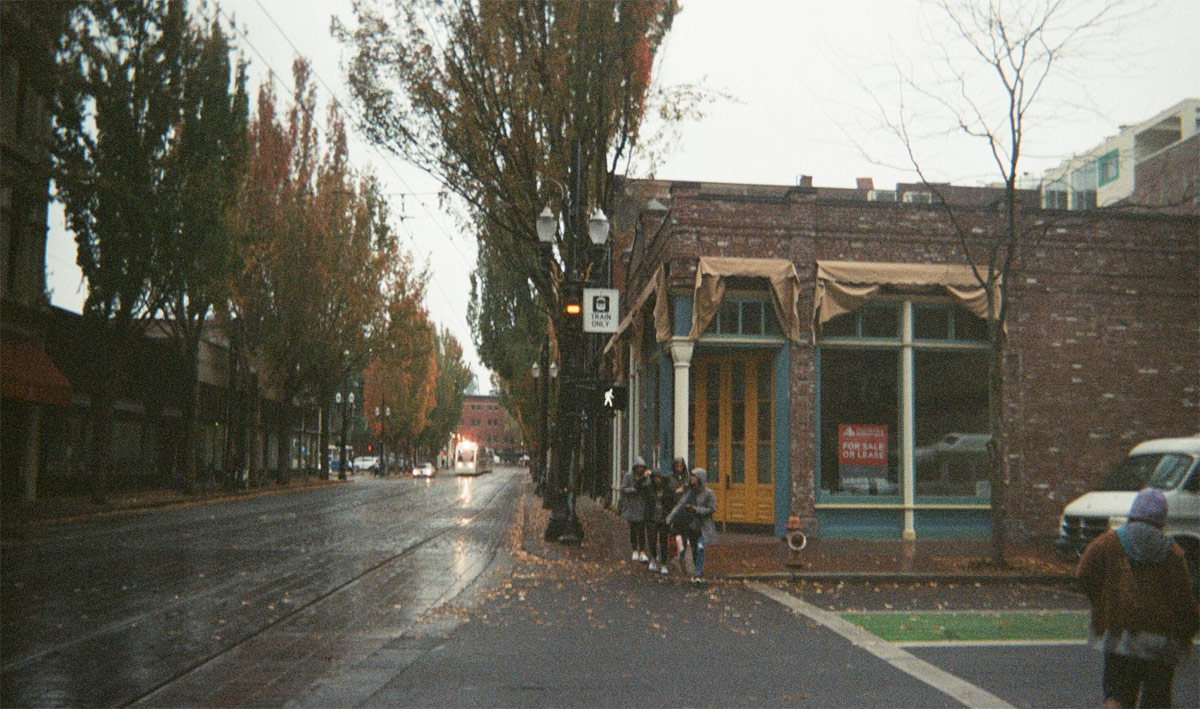
Los diversos patrones climáticos de Portland, que van desde lluvias intensas hasta carreteras heladas, pueden afectar significativamente las condiciones de manejo. El mal tiempo es una de las principales causas de accidentes automovilísticos, por lo que es crucial que los conductores comprendan cómo manejar estos desafíos de manera segura. Aquí hay una mirada en profundidad a cómo el clima contribuye a los accidentes en Portland y consejos para garantizar su seguridad en la carretera.
El impacto del mal tiempo en los accidentes automovilísticos en Portland
El mal tiempo, especialmente la lluvia y el hielo, es una causa frecuente de accidentes de tránsito en Portland. Según la Administración Federal de Carreteras, los accidentes relacionados con el clima representan el 21,1 % de todos los accidentes de tránsito que se producen anualmente en los Estados Unidos, y el pavimento mojado es un factor determinante en el 70,1 % de estos incidentes. En Oregón, la lluvia y la niebla se encuentran entre las condiciones climáticas más comunes que provocan accidentes de tránsito y atropellos de peatones.
Línea eléctrica cae sobre un auto durante tormenta de hielo
En enero de 2024, una severa tormenta de hielo en Portland provocó la caída de un cable eléctrico sobre un automóvil, resultando en tres muertes y lastimando a un bebé. La tormenta causó cortes de energía generalizados y condiciones peligrosas para conducir, lo que subraya los peligros del mal tiempo.USAToday).
Vehículo cayó del guardarraíl del puente Glenn Jackson en la I-205
En febrero de 2021, un conductor perdió el control mientras viajaba hacia el sur por la Interestatal 205 y se salió del guardarraíl en el puente conmemorativo Glenn L. Jackson. La policía cree que la nieve y el hielo en el puente causaron parcialmente el accidente.kgw.com).
Peligros relacionados con el clima en Portland
El clima de Portland puede crear desafíos significativos al conducir, siendo la lluvia y el pavimento mojado los contribuyentes más comunes a los accidentes. La lluvia reduce la tracción de los neumáticos, aumentando el riesgo de derrapes y aquaplaning, al mismo tiempo que oculta las marcas viales, lo que complica la navegación. La niebla es otro peligro frecuente que reduce la visibilidad, dificultando que los conductores vean vehículos, peatones y otros peligros en la carretera. La niebla densa también puede desorientar a los conductores, provocando frenazos bruscos o salidas accidentales del carril.
Aunque la nieve y las condiciones heladas son menos frecuentes en Portland en comparación con otras regiones, aún causan graves interrupciones cuando ocurren. El hielo negro, en particular, es un peligro oculto que a menudo provoca derrapes y colisiones inesperadas. Los fuertes vientos exacerban aún más estos desafíos al hacer que los vehículos se desvíen de su curso, especialmente los más grandes como camiones y SUVs. Los fuertes vientos pueden desprender escombros o derribar árboles, creando peligros adicionales en la carretera. Estas condiciones climáticas subrayan la importancia de adaptar el comportamiento al conducir para garantizar la seguridad en las carreteras de Portland.
Estadísticas de accidentes relacionados con el clima en Oregón
- Oregón se ubica entre los diez estados de EE. UU. con más lesiones y muertes relacionadas con el clima al conducir (Noticias CCC).
- La lluvia es el factor más común, ya que contribuye a más del 60% de los accidentes relacionados con las condiciones meteorológicas en el estado.
- La nieve y el hielo son la causa del 251 % de los accidentes relacionados con las condiciones meteorológicas, y la mayoría de ellos se producen durante los meses de invierno.
Consejos para conducir de forma segura en mal tiempo
1. Ajusta tu velocidad
Conducir al límite de velocidad o por debajo es fundamental en condiciones climáticas adversas. Reduzca su velocidad para mantener un mejor control de su vehículo y aumentar su tiempo de reacción.
2. Aumentar la distancia de seguimiento
Deja espacio adicional entre tu auto y el vehículo de adelante. Una mayor distancia de seguimiento permite más tiempo para frenar, especialmente en carreteras mojadas o heladas.
3. Usa tus luces delanteras correctamente
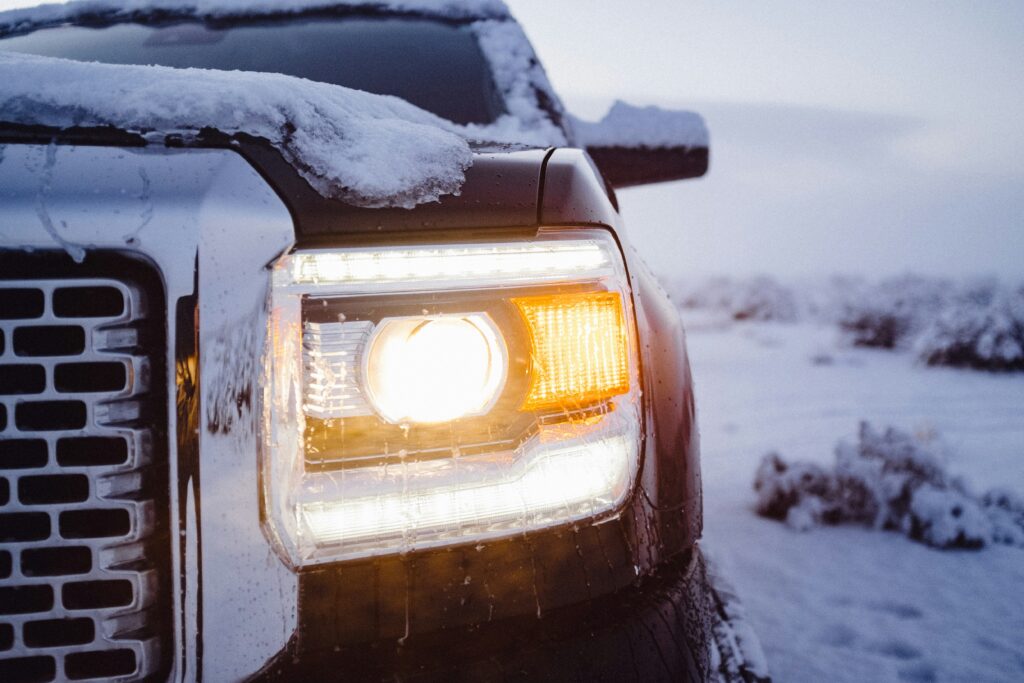
Enciende tus luces delanteras durante la lluvia, niebla o nieve para mejorar la visibilidad y asegurarte de que otros conductores te vean. Evita usar las luces altas en condiciones de niebla, ya que pueden reflejar la luz y reducir la visibilidad.
4. Revisa tus llantas y limpiaparabrisas
Asegúrate de que tus neumáticos tengan la profundidad de banda de rodadura adecuada y estén inflados correctamente. Reemplaza las escobillas del limpiaparabrisas desgastadas para mantener una visibilidad clara durante la lluvia o la nieve.
5. Evita movimientos bruscos
Frene suavemente y evite giros bruscos o cambios de carril, que pueden hacer que su vehículo derrape.
6. Prepárate para emergencias
Ten un kit de emergencia en tu vehículo, que incluya artículos como una linterna, una manta y cadenas para neumáticos. Esto puede ser invaluable durante retrasos inesperados relacionados con el clima o accidentes.
Esfuerzos de Portland para mejorar la seguridad durante el mal tiempo
Portland ha tomado medidas para mejorar la seguridad vial durante condiciones climáticas adversas. Las iniciativas incluyen:
- Mayor señalización y advertencias sobre áreas peligrosas propensas a inundaciones o hielo negro.
- Mantenimiento regular de carreteras para mejorar el drenaje y reducir el agua estancada.
- Despliegue de quitanieves y camiones quitanieves durante tormentas de invierno para despejar carreteras principales e intersecciones.
Garantizando tu seguridad ante el diverso clima de Portland
El mal tiempo es inevitable en Portland, pero comprender sus riesgos y adoptar prácticas de conducción seguras puede marcar una gran diferencia. Ya sea lluvia, niebla o hielo, ajustar tu comportamiento al volante y prepararte para emergencias te ayudará a mantenerte seguro en la carretera. Si tú o alguien que conoces ha estado involucrado en un accidente relacionado con el clima, consultar a un abogado experto en accidentes automovilísticos pueden asegurar que sus derechos estén protegidos. Póngase en contacto con DuBois Law Group – PDX Injury Law hoy mismo para una consulta gratuita y permítanos ayudarlo con el proceso legal.
 Español de México
  English